
01
Written scope and price
Once the scope and selections are agreed in writing, the agreed work is not repriced without a documented change. Owner-requested changes and concealed conditions are explained before changed work proceeds.
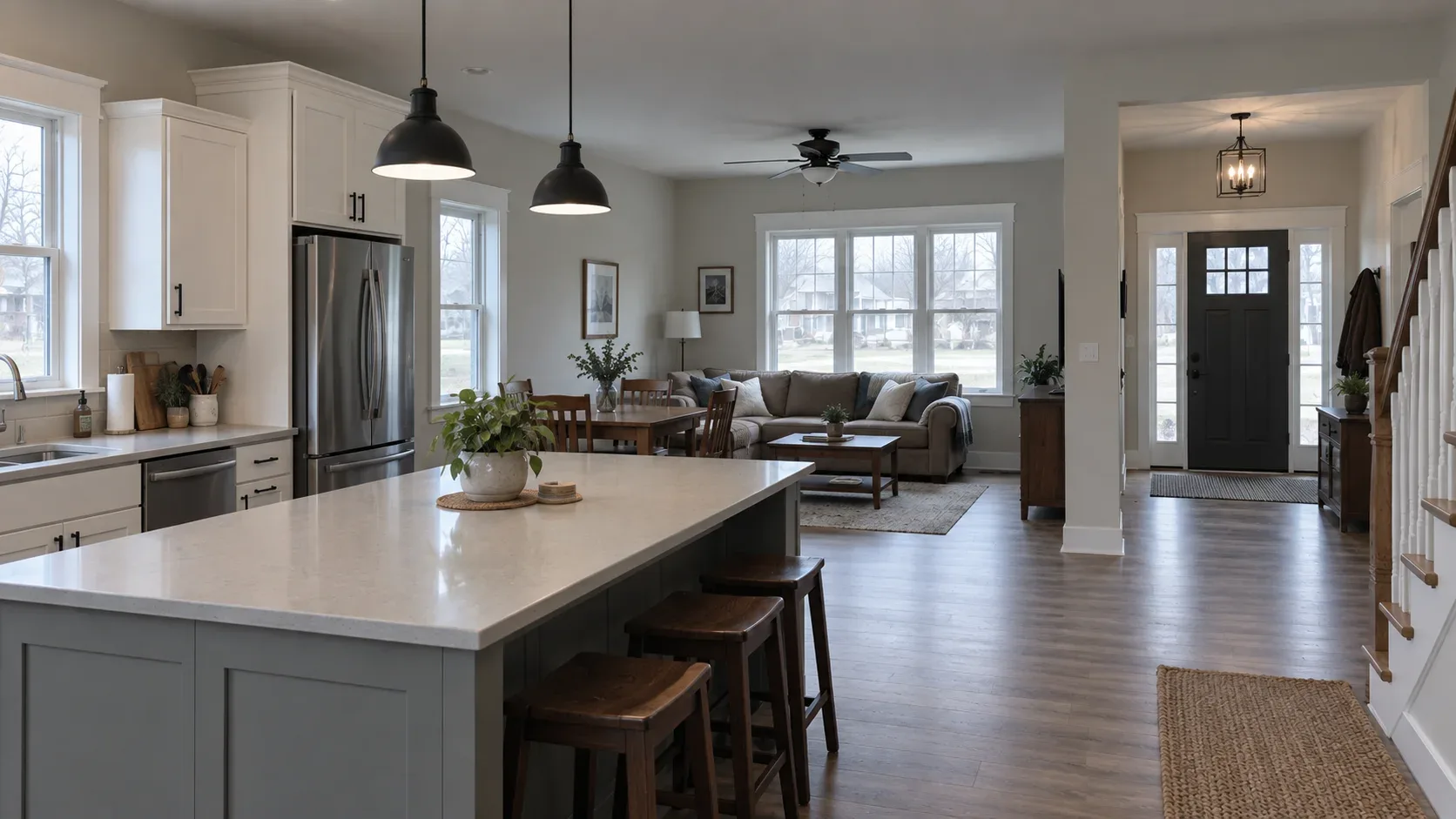
General contracting and construction management add value when the scope, trade handoffs and decision path are clear. The local page should explain how the project is controlled from estimate through handover. In Beavercreek, the first brief should also account for Greene County review and the property's existing conditions.
The working scope should identify design information, owner selections, subcontractor packages, permits, inspections, site protection, schedule dependencies, allowances, exclusions and change approval. A single point of coordination only works when the responsibility matrix is written down.
The project conversation should establish who supplies drawings, who pulls each permit, who schedules inspections, how concealed conditions are documented and how decisions affect price and time. That structure makes a general contractor useful even before the final finish list is complete.
Beavercreek's permit guide says a residential zoning permit is required for many structures and additions, while building, plumbing, electrical and HVAC permits go through Greene County Building Regulation.
The city also lists interior remodeling and finished-basement work as a county building question rather than a city zoning permit in its quick-reference table. Confirm the exact scope with both authorities before work begins.
Local checkpoint source: City of Beavercreek online permit center. Verified September 20, 2026.
Planning in Beavercreek
The value of coordination is making responsibility visible: scope, trades, decisions, schedule, approvals and closeout.
01
Once the scope and selections are agreed in writing, the agreed work is not repriced without a documented change. Owner-requested changes and concealed conditions are explained before changed work proceeds.
02
When a product includes a manufacturer warranty, keep its product information, registration details and terms. Manufacturer coverage belongs to the product; any workmanship responsibility should be stated separately in the project agreement.
03
We protect access areas, document changes and carry insurance for the work we perform. If property is damaged, the issue is documented and handled under the project agreement and applicable coverage.
04
At handover, keep the final scope, approved changes, inspection records, product information, care instructions and the right contact for any follow-up.
Planning ranges are starting points, not quotes. Final scope, selections, property conditions, approvals and written assumptions control the real project price.
The estimate explains what is included, what is excluded and which decisions need to be made before work starts. Agreed work is not repriced without a documented change.
When products include manufacturer warranties, product information and applicable terms stay with the project record. Workmanship responsibility belongs in the written agreement.
When a project needs drawings, permits or inspections, we identify the jurisdiction and likely sequence early so the schedule is built around real constraints.
A general contractor typically holds the contracts with the trades and is responsible for delivering the work. Construction management is a broader term for planning, coordinating and overseeing a project, and it can come with general contracting or from a separate manager. The written agreement should say which role applies.
Often, after reviewing the documents, the site and the trades involved. That review is useful because it shows missing decisions before construction is scheduled.
In writing, before the extra work is done: what changed, what it costs and how it affects the schedule. Keeping that record avoids disputes at closeout.
Compare the written scope, existing-condition assumptions, permit and inspection responsibility, trade coordination, insurance, references and change-order process. A contractor's title matters less than whether the agreement shows who owns each decision and what happens when the property differs from the plan.
It depends on the address, scope and trade. The local building department or authority having jurisdiction sets the path, while the contract should name who prepares each application, pays the fee, requests inspections and responds to corrections. Do not treat a general statement that permits are included as a complete responsibility matrix.
Include the project address, scope, drawings or specifications, allowances, exclusions, payment stages, schedule assumptions, protection, cleanup, permit and inspection duties, warranty information and the written process for changes or concealed conditions. That is what makes a Beavercreek construction proposal comparable rather than just a headline number.
Beavercreek's permit guide says a residential zoning permit is required for many structures and additions, while building, plumbing, electrical and HVAC permits go through Greene County Building Regulation. Compare the written scope, existing-condition assumptions, trade coordination, permits, inspections, insurance, references, schedule and change-order process. A general contracting & construction management agreement in Beavercreek should put responsibility beside each moving part instead of relying on a generic “permits included” promise.
The agreement should identify the work, materials or allowances, exclusions, payment stages, schedule assumptions, permit responsibilities, cleanup and the process for changes. A single total without those details is difficult to compare or protect.
A change should be described in writing before the added work begins: what changed, why it changed, the price effect and the schedule effect. Concealed conditions and owner-requested changes are handled separately from the agreed scope.
For products that include a manufacturer warranty, keep the product name, model, registration instructions and applicable terms. The manufacturer sets that coverage. The contract should separately state any workmanship responsibility and how a problem is reported.
Walls, framing, wiring, plumbing, moisture and site conditions are not fully visible before demolition. The responsible next step is to document the condition, explain the options, update the cost or schedule in writing and get approval before proceeding with changed work.
Compare the scope line by line: demolition, structural work, rough-ins, finishes, allowances, permits, inspections, disposal, protection of occupied areas, cleanup, closeout and changes. The lowest headline number is not comparable if it leaves out different work.
The proposal should address access, dust control, floor and furniture protection, daily cleanup, temporary utilities, working hours and how damage is documented. Dayton Elite General Contractors is insured for the work it performs, and the project agreement should explain how any damage is reported and handled.